





When it comes to real estate, home inspections are more than just a formality—they’re essential for safeguarding your investment. Understanding the intricacies of this process can help you navigate buying or selling a home with confidence.
What You Will Learn
- The purpose of home inspections is to identify potential issues that can affect property value and safety.
- Home inspections provide peace of mind for buyers and protect sellers from liability for undisclosed problems.
- Property disclosures and home inspections work together to ensure transparency in real estate transactions.
- Effective negotiation post-inspection is crucial for both buyers and sellers to achieve satisfactory outcomes.
- Using the inspection report wisely can aid in informed decision-making for both parties involved.
- Regular maintenance is key to ensuring smoother future inspections and preserving home value.
The Essential Home Inspection Journey
Understanding the critical steps and implications of a home inspection is vital for both buyers and sellers. This visual guide outlines the key phases and their importance in the real estate transaction.
Understanding the Inspection
A detailed examination by a qualified inspector to identify potential issues, structural defects, and safety hazards, providing a crucial “health check-up” for the property.
- Assess overall condition
- Identify needed repairs
- Aid in negotiations
Post-Inspection Steps & Negotiation
Both parties review findings to navigate negotiations, addressing critical repairs, and leveraging the report for informed decisions on price or credits.
- Review report thoroughly
- Prioritize essential repairs
- Effective communication
Enhancing the Experience & Tools
Utilizing resources like interactive checklists and video explainers, along with proactive home maintenance, can significantly improve the inspection process.
- Interactive checklists
- Video explainers
- Regular maintenance
Property Disclosure vs. Inspection
Property disclosures provide seller-known issues, while inspections independently verify and uncover additional conditions, ensuring comprehensive understanding.
- Clarifies known vs. unknown
- Validates seller info
- Highlights scrutiny areas
Understanding Home Inspections: What Every Buyer and Seller Should Know
When it comes to buying or selling a home, understanding the ins and outs of home inspections is crucial. A home inspection isn’t just a box to check off during a real estate transaction; it serves as a vital tool to ensure that both buyers and sellers are fully informed about the property in question. Whether you’re stepping into homeownership for the first time or are a seasoned seller, knowing what a home inspection entails can save you time, money, and heartache later on!
In this section, I’ll break down the purpose of home inspections and highlight why they play an essential role in the real estate process. Trust me, diving into this topic can make a world of difference in your buying or selling experience. For more insights on navigating the market, consider learning about understanding the current housing market.
Defining Home Inspections and Their Purpose
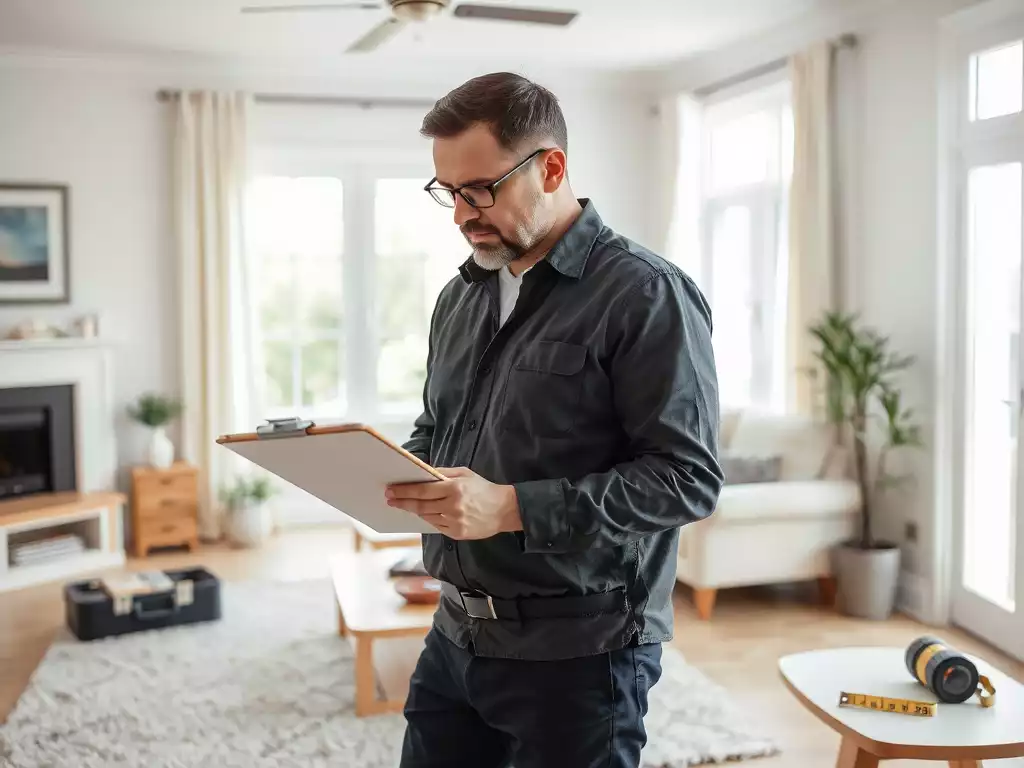
A home inspection is a detailed examination of a property, usually conducted by a qualified inspector. The main goal is to identify any potential issues, such as structural defects, safety hazards, or the condition of essential systems like plumbing and electrical. Think of it as a thorough health check-up for your home!
- Assess the overall condition of the property
- Identify needed repairs before finalizing a sale
- Help negotiate repairs or price adjustments between buyer and seller
By understanding the purpose of a home inspection, both buyers and sellers can manage their expectations and make informed decisions. Remember, knowledge is power in real estate!

Importance of Home Inspections in Real Estate Transactions
Home inspections play a significant role in real estate transactions for several reasons. First and foremost, they provide a detailed report of the property’s condition, which can influence negotiations on price or repairs. By knowing what needs attention, you can either get the seller to fix issues before closing or adjust your offer accordingly.
- Gives buyers peace of mind about their investment
- Protects sellers from liability for undisclosed issues
- Can uncover issues that might lead to safety hazards
In essence, a home inspection acts as a safety net for both parties involved, ensuring transparency and fairness throughout the process. It’s always better to know now than to face surprises later!
The Role of Property Disclosure in Home Inspections
Property disclosure statements are crucial in the home buying process, as they provide essential information about a property’s history and condition. Sellers are often required to disclose known issues, but this doesn’t always paint the complete picture. That’s where home inspections come in!
- Clarifies what the seller knows vs. what the inspector discovers
- Helps to validate the information provided in the disclosure
- Can highlight areas that may need further scrutiny
Incorporating both property disclosures and home inspections ensures that you’re making well-informed decisions. Leveraging both tools helps avoid misunderstandings that could lead to disputes later on. For more details on the legal aspects of property transactions, check out our guide on understanding property deeds.
Pro Tip
To maximize the benefits of your home inspection, consider attending the inspection in person. This allows you to ask questions in real-time and gain a deeper understanding of the inspector’s findings. Plus, seeing potential issues firsthand can help you prioritize repairs more effectively!
Post-Inspection Steps: What Buyers and Sellers Should Do Next
After a home inspection, both buyers and sellers face critical decisions. Understanding the next steps can make the process smoother and less stressful. Let’s dive into some of these important post-inspection actions!
For buyers, the inspection report can serve as a powerful tool in negotiations. It’s not just about discovering issues; it’s about leveraging that information effectively. Sellers, on the other hand, can use this feedback to improve their property’s appeal.

Navigating Negotiations Based on Inspection Findings
Negotiations post-inspection can seem daunting, but they are essential for both parties. Buyers often seek repairs or credits based on the findings. Here’s how you can approach the discussion:
- Review the inspection report thoroughly to identify key issues.
- Prioritize which repairs are essential for your safety and comfort.
- Discuss these priorities with your real estate agent for guidance.
For sellers, being open to negotiations can enhance the sale process. It’s important to understand that not all issues must be fixed—sometimes, a price concession works just as well!
Understanding Repair Requests and Seller Responsibilities
Repair requests can vary widely based on the inspection findings. Buyers should be clear about what repairs they consider deal-breakers. Sellers need to evaluate which requests are reasonable. Here are some common considerations:
- Major structural issues vs. minor cosmetic repairs.
- Safety hazards that need immediate attention.
- Items that may not impact livability but could affect resale value.
Effective communication between both parties can lead to more satisfactory outcomes. Buyers should express their concerns calmly, while sellers should aim to address them with professionalism.
Using the Inspection Report for Informed Decision-Making
The inspection report is more than just a list of problems; it’s a roadmap for decision-making. Buyers should take the time to digest the report and understand its implications. Here’s how to use it effectively:
- Identify critical areas needing immediate attention.
- Assess the overall condition of the home for long-term planning.
- Consider potential costs associated with repairs.
By using the inspection report as a guide, both buyers and sellers can make informed decisions that lead to a smoother transaction. It’s about finding common ground and ensuring everyone’s needs are met! To further enhance your home-buying knowledge, learn about what is a comparative market analysis.
Enhancing Your Home Inspection Experience: Resources and Tools
To further improve your home inspection experience, there are several resources and tools available. These can help both buyers and sellers navigate the process with confidence. Let’s explore some of these valuable tools!
From checklists to video explainers, these resources can provide insight and clarity. They can empower you to take proactive steps before and after the inspection.
Interactive Home Inspection Checklist: Downloadable Resource for Homebuyers
One of the most effective tools for homebuyers is an interactive home inspection checklist. This resource helps you remember what to look for and can guide you through the inspection process. Key features include:
- Customizable items based on your priorities.
- Sections for tracking issues and repair requests.
- Checklist items that can be easily shared with your agent.
Having a checklist not only makes the process more organized but also ensures you don’t miss anything important!
Video Explainers on Common Inspection Processes and Outcomes
Sometimes, seeing is believing! Video explainers can demystify complex inspection processes. Here’s why they’re beneficial:
- Visual guides can clarify what inspectors look for.
- Demonstrations of common issues can help you recognize them in your own home.
- Step-by-step walkthroughs make the process less intimidating.
These resources can enhance your understanding and prepare you for discussions with your inspector or agent.
How Home Maintenance Can Impact Future Inspections
Finally, regular home maintenance plays a crucial role in future inspections. Keeping your home in good shape can save you time and money down the line. Consider these maintenance tips:
- Regularly check and service your HVAC system.
- Address minor repairs before they become major issues.
- Keep up with seasonal maintenance tasks.
Taking these proactive steps can lead to smoother inspections and potentially increase your home’s value!
Frequently Asked Questions About Home Inspections
What is the primary purpose of a home inspection?
The primary purpose of a home inspection is to provide a detailed examination of a property to identify potential issues, structural defects, safety hazards, or problems with essential systems like plumbing and electrical. It acts as a “health check-up” for the home, informing both buyers and sellers about its condition.
How do home inspections benefit buyers?
Home inspections benefit buyers by offering peace of mind regarding their investment, helping them identify needed repairs before finalizing a sale, and empowering them to negotiate repairs or price adjustments. It helps prevent unexpected and costly surprises after moving in.
How do home inspections benefit sellers?
Home inspections benefit sellers by protecting them from liability for undisclosed issues, as a pre-listing inspection can help them address problems proactively. This can lead to a smoother transaction and prevent potential disputes post-sale.
What is the difference between property disclosure and a home inspection?
Property disclosures are statements from the seller outlining known issues with the property. A home inspection is an independent, detailed examination by a qualified inspector that verifies seller information and uncovers additional conditions the seller may not have known about, providing a more comprehensive understanding of the property’s state.
What should I do after receiving the home inspection report?
After receiving the home inspection report, buyers should review it thoroughly, prioritize essential repairs or safety hazards, and discuss these findings with their real estate agent to strategize negotiations. Sellers should be prepared to evaluate repair requests and consider price concessions if necessary.
Should I attend the home inspection?
Yes, it is highly recommended to attend the home inspection in person. This allows you to ask questions in real-time, gain a deeper understanding of the inspector’s findings, and see potential issues firsthand, which can help in prioritizing repairs and making informed decisions.
Recap of Key Points
Here is a quick recap of the important points discussed in the article:
- Home inspections are vital for identifying potential issues in a property, ensuring informed decisions for both buyers and sellers.
- They provide peace of mind for buyers and protect sellers from liability for undisclosed problems.
- Property disclosure statements complement home inspections by clarifying known issues versus those discovered by inspectors.
- Negotiations post-inspection should focus on essential repairs and safety hazards, with clear communication between buyers and sellers.
- Using an inspection report effectively can guide decision-making regarding repairs and future maintenance needs.
- Utilizing resources like checklists and video explainers can enhance the home inspection experience and prepare individuals for discussions with inspectors or agents.
- Regular home maintenance is key to ensuring favorable outcomes in future inspections and can increase property value.