








A Comparative Market Analysis (CMA) is a real estate tool used by agents and professionals to estimate the fair market value of a property by comparing it to similar properties (known as “comps”) that have recently sold in the same area. Unlike a formal appraisal, a CMA is typically free and informal, providing a snapshot to help sellers set competitive listing prices or buyers make informed offers. It’s based on current market data, making it essential for navigating volatile real estate conditions in 2025.
How a CMA Works
To create a CMA, a real estate agent gathers data on comparable properties—those similar in size, location, condition, and features—that have sold within the last 3-6 months (or up to a year in slower markets). The process involves:
- Selecting Comps: Identifying 3-5 properties with matching attributes like square footage, bedrooms/bathrooms, age, and amenities.
- Adjusting for Differences: Adding or subtracting value for variations (e.g., +$10,000 for a renovated kitchen or -$5,000 for a smaller lot).
- Analyzing Market Trends: Considering active listings, pending sales, and expired ones to gauge competition and demand.
- Estimating Value: Arriving at a price range, often presented in a report with charts and photos.
This data-driven approach helps avoid overpricing (which can lead to longer market time) or underpricing (leaving money on the table).

Key Components of a CMA Report
A typical CMA includes:
- Subject Property Details: Description of the home being evaluated.
- Comparable Sales: List of sold comps with sale prices, dates, and adjustments.
- Active and Expired Listings: Insights into current competition.
- Market Summary: Trends like average days on market, sale-to-list ratios, and inventory levels.
- Recommended Price Range: A suggested listing price or value estimate.
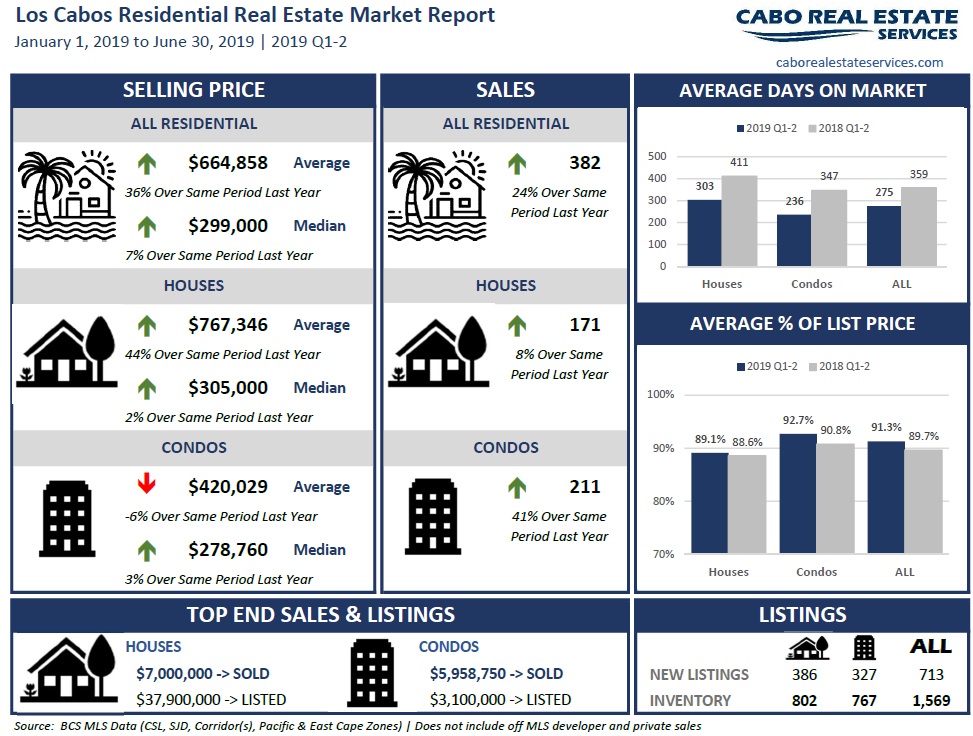
Real Estate Market Report Templates and Tips – Curb Hero
CMA vs. Appraisal: Key Differences
While both estimate value, they differ in purpose and execution:
| Aspect | CMA | Appraisal |
|---|---|---|
| Creator | Real estate agent (not licensed appraiser) | Licensed appraiser |
| Purpose | Pricing strategy for selling/buying | Required for mortgages; official valuation |
| Cost | Usually free | $300-$500+ |
| Depth | Informal, based on agent expertise | Formal, regulated report with strict standards |
| Scope | Focuses on comps and market trends | Includes on-site inspection and detailed analysis |
A CMA is a starting point, while an appraisal is often mandatory for financing.
When and How to Get a CMA
Request a CMA when selling (to set a price), buying (to negotiate), or refinancing. Contact a local real estate agent—they’ll provide one for free, often in exchange for potential business. Online tools like Zillow’s Zestimate offer rough approximations, but a professional CMA is more accurate due to localized insights. In 2025, with rising inventory and stabilizing rates, CMAs are crucial for competitive positioning.
For personalized advice, consult a real estate professional or attorney, as laws vary by state.