








In a world where financial transactions can often feel precarious, understanding the mechanics of escrow accounts can provide crucial peace of mind. By safeguarding funds and ensuring that all parties fulfill their obligations, these accounts serve as a vital tool in real estate dealings.
What You Will Learn
- Escrow accounts protect buyers’ deposits until all transaction conditions are met.
- They ensure transparency in funds tracking, minimizing risks for both buyers and sellers.
- The escrow agent manages and verifies all documents and funds, playing a critical role in the transaction.
- Regularly reviewing your escrow statements can help prevent financial surprises during homeownership.
- Understanding potential surpluses or shortages in your escrow account aids in effective financial planning.
- Engaging with your mortgage servicer is essential for navigating complexities in your escrow account.
Key Aspects of Escrow Accounts
This visual highlights the essential components and benefits of escrow accounts in real estate transactions.
What is an Escrow Account?
- ✓ Funds Protection: Safeguards deposits.
- ✓ Document Storage: Holds crucial papers.
- ✓ Transaction Transparency: Tracks funds clearly.
Why Used in Real Estate?
- ✓ Risk Mitigation: Reduces fraud, protects parties.
- ✓ Lender Compliance: Often required by lenders.
- ✓ Streamlined Transactions: Simplifies complex deals.
Role of Escrow Agent
- ✓ Fund Management: Handles funds correctly.
- ✓ Document Verification: Confirms order of docs.
- ✓ Conflict Resolution: Mediates disputes.
Managing Your Escrow Account
- ✓ Review statements annually.
- ✓ Communicate with servicer.
- ✓ Prepare for payment fluctuations.
#escrow-visual-container article:hover { transform: translateY(-5px); } @media (max-width: 768px) { #escrow-visual-container { flex-direction: column; max-height: none; /* Allow vertical growth on small screens */ } #escrow-visual-container article { flex-basis: 100%; max-width: 100%; } }
Understanding Escrow Accounts: Definition and Importance
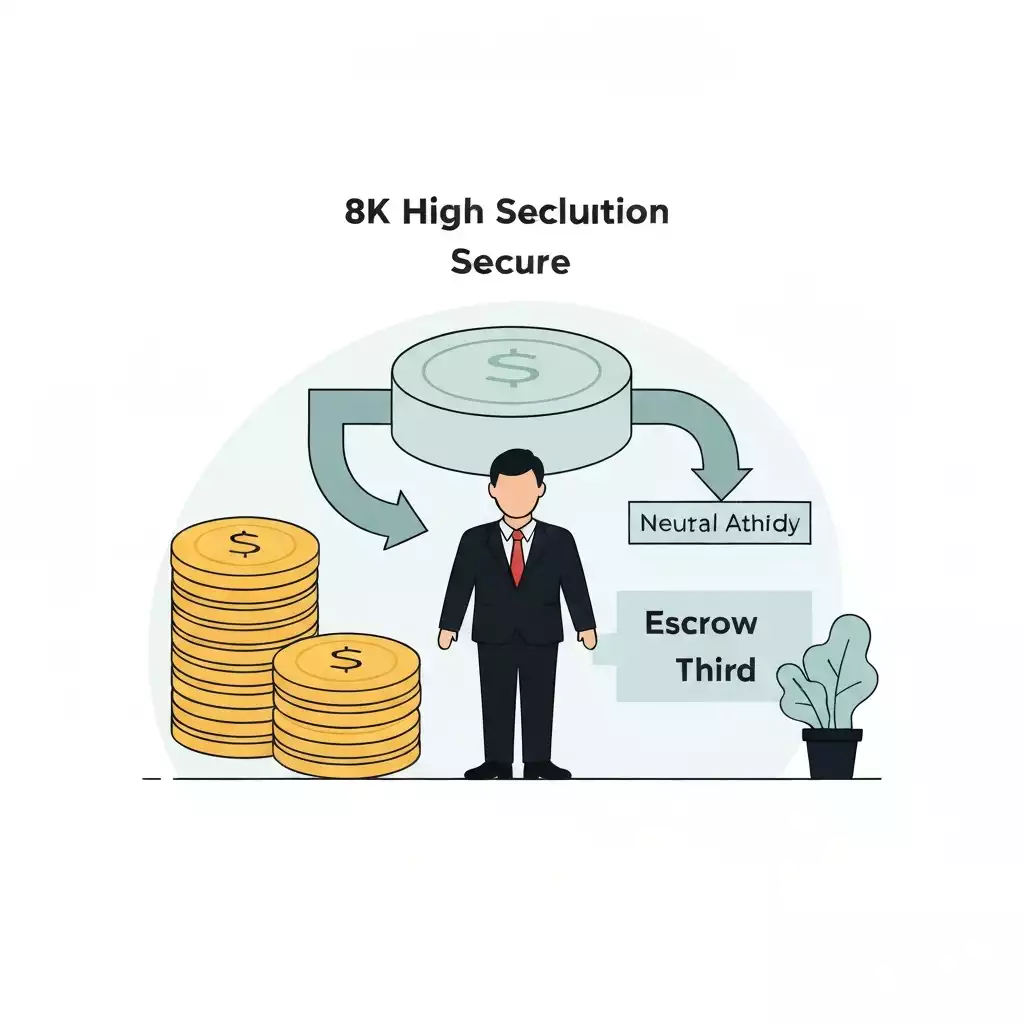
When diving into the world of real estate, it’s essential to understand the concept of escrow accounts. An escrow account is a financial arrangement where a third party holds funds or assets on behalf of two parties involved in a transaction. This ensures that both parties adhere to the terms of the agreement before the transaction is finalized. It’s like having a safety net that protects everyone involved!
Escrow accounts are crucial, especially in real estate transactions, as they help facilitate smooth exchanges. By using an escrow account, buyers can have peace of mind knowing that their money is safeguarded until the sale closes. Similarly, sellers can be assured that they will receive their payment as agreed. This trust factor is instrumental in any property deal.
What is an Escrow Account?
At its core, an escrow account is designed to hold funds or documents until specific conditions are met. Think of it as a neutral ground where both parties can deposit what they owe each other. For example, during a home purchase, the buyer might deposit their earnest money into an escrow account instead of sending it directly to the seller. Learn more about what is mortgage escrow and how it impacts your homeownership journey.
- Funds Protection: Keeps the buyer’s deposit safe until the deal is completed.
- Document Storage: Holds crucial documents like property titles or loan agreements.
- Transaction Transparency: Provides clear tracking of all funds exchanged.
This setup not only fosters trust but also provides a structured way to manage the financial aspects of a purchase. When the terms are satisfied, the escrow agent releases the funds to the seller, finalizing the transaction.
Why Are Escrow Accounts Used in Real Estate Transactions?
In real estate, the use of escrow accounts is common for several reasons. Primarily, they help ensure that funds are only released when all conditions of the agreement are met. This minimizes the risk for both buyers and sellers. Additionally, escrow accounts are often required by lenders to protect their investment.
- Risk Mitigation: Reduces the risk of fraud and ensures that all parties are protected.
- Compliance with Lender Requirements: Many lenders mandate the use of escrow accounts to safeguard mortgage payments.
- Streamlined Transactions: Simplifies complex transactions by managing funds and documents in one place.
Using an escrow account during a real estate transaction can significantly reduce stress and frustration. It’s a clear way to ensure that everyone fulfills their obligations, allowing for a more seamless property transfer.
The Role of an Escrow Agent in Ensuring Transaction Security
The escrow agent plays a vital role in the transaction process. Acting as a neutral third party, they oversee the escrow account and ensure that all terms are met before funds are disbursed. Their responsibilities include collecting documents, managing funds, and communicating with both parties to provide updates. For further reading, explore our guide on what is escrow to fully grasp its importance.
- Fund Management: Ensures that all funds are handled correctly and disbursed at the right time.
- Document Verification: Confirms that all necessary documents are in order before closing.
- Conflict Resolution: Helps mediate any disputes that may arise during the transaction.
Having a trustworthy escrow agent can make a world of difference. They help keep the transaction on track, providing peace of mind for both buyers and sellers throughout the process. If you’re considering a real estate transaction, finding a reliable escrow agent should be a priority!
Pro Tip
Did you know? Regularly reviewing your escrow statements not only helps you identify discrepancies but also allows you to adjust your financial planning proactively. Keeping an eye on your account can prevent surprises and ensure that your mortgage obligations remain manageable.
Recap of Escrow Accounts and Their Significance
As we wrap up our discussion on escrow accounts, it’s important to recognize their key role in real estate transactions. Escrow accounts serve as a safe haven for funds and ensure that payments for property taxes, insurance, and other necessary expenses are handled properly. Understanding these accounts not only helps homeowners manage their finances better but also facilitates smoother transactions.

In essence, an escrow account is more than just a financial tool; it’s a protective measure for both buyers and sellers. By entrusting a neutral third party with the funds, you can feel secure that everyone involved in the transaction is held accountable. Here are some essential takeaways regarding escrow management:
- Escrow accounts are crucial in ensuring that payments are made on time.
- Regular analysis of your escrow account can prevent surprises during your mortgage period.
- Understanding your escrow statement allows for effective financial planning.
- Being aware of potential surpluses or shortages helps maintain a healthy account balance.
By keeping these factors in mind, you will be better prepared to navigate the complexities of escrow accounts and make informed decisions.
Key Takeaways on Managing Your Escrow Account
Managing your escrow account can be straightforward if you stay informed and proactive. It’s essential to regularly check your escrow statements and understand the components that contribute to your overall balance. This knowledge empowers you as a homeowner.
Here are some practical tips to keep your escrow account in check:
- Review your escrow statement annually to identify discrepancies.
- Communicate with your mortgage servicer about any changes in property taxes or insurance premiums.
- Prepare for potential fluctuations in your mortgage payments based on escrow analysis.
- Stay aware of your rights regarding escrow management and what to do if issues arise.
By engaging with your escrow account actively, you not only safeguard your financial interests but can also enhance your overall homeownership experience.
Next Steps for Homeowners: Engaging with Your Mortgage Servicer
Once you have a solid grasp of escrow accounts, the next step is to engage with your mortgage servicer effectively. This relationship is vital for ensuring that you are well-informed about your financial commitments and the status of your escrow account. Regular communication can help you navigate any complexities and adjust your financial planning as needed.
One critical aspect of this engagement is understanding your escrow statements. Let’s break down how you can interpret these important documents:
How to Interpret Your Escrow Statements and Make Informed Decisions
Escrow statements can seem overwhelming at first, but with a little guidance, you can become adept at reading them. Here’s what to look out for:
- **Monthly Payment Breakdown**: Each statement should detail how much of your payment is allocated to principal, interest, and escrow.
- **Annual Analysis**: Your statement will typically include an annual analysis that summarizes disbursements and projections for the upcoming year.
- **Surplus or Shortage Notices**: Be sure to check if your statement indicates an escrow surplus or shortage, as this can affect your future payments.
- **Projected Payments**: Look for projections on future payments to anticipate changes in your mortgage obligations.
Being proactive in understanding these elements will help you make informed decisions regarding your mortgage and manage your finances effectively. For more details on managing your home loan, you can visit our article on how to get a home loan.
Frequently Asked Questions About Escrow Accounts
Many homeowners have questions about escrow accounts, especially when they are first introduced to them. Here are some common FAQs that can clarify your understanding:
- **What is an escrow account used for?** Escrow accounts hold funds for property-related expenses like taxes and insurance.
- **How is the escrow payment determined?** Payments are based on an analysis of past expenses and future projections.
- **What happens if there’s a surplus?** Typically, any surplus can either be refunded to you or applied to future payments.
- **Can I request changes to my escrow account?** Yes, you can discuss adjustments with your mortgage servicer if you notice significant changes in your expenses.
- **Are escrow accounts mandatory?** While often required by lenders, especially with conventional loans, some loans or situations might allow you to waive escrow if you meet specific criteria.
- **How often do escrow payments change?** Escrow payments are usually reviewed annually, and adjustments are made based on changes in property taxes and insurance premiums.
Addressing these questions can alleviate concerns and enhance your confidence as a homeowner.
Understanding Risks and Fraud Prevention in Escrow Transactions
While escrow accounts provide security, it’s also essential to be aware of potential risks. Understanding how to prevent fraud in escrow transactions is critical. Here are a few strategies to protect yourself:
- **Verify the escrow company**: Always confirm that the escrow company is licensed and reputable.
- **Use secured communication**: Share sensitive information only through secure channels.
- **Be cautious with wire transfers**: Always double-check wire instructions to prevent scams.
- **Educate yourself on common fraud tactics**: Being informed can help you identify potential red flags.
By remaining vigilant and informed, you can confidently navigate the escrow process and protect your investments.
Recap of Key Points
Here is a quick recap of the important points discussed in the article:
- Escrow accounts act as a financial safety net, holding funds until all transaction conditions are met.
- They ensure risk mitigation, reducing the likelihood of fraud in real estate transactions.
- Escrow agents play a crucial role in transaction security by managing funds and verifying documents.
- Regularly reviewing escrow statements helps homeowners maintain financial health and prevent surprises.
- Engaging with your mortgage servicer can enhance understanding and management of your escrow account.