









What if the housing market could turn in your favor?
With the recent surge in inventory, buyers now hold more power than ever before. Understanding this shift can transform your home buying experience!
What You Will Learn
- Increased housing inventory provides buyers with more choices and negotiating power.
- The surge in inventory is driven by new construction, homeowner selling trends, and changing economic conditions.
- Monitoring housing inventory trends can help buyers anticipate market shifts and prepare effectively.
- Economic indicators such as interest rates and employment levels can significantly influence housing market dynamics.
Key Shifts in the Housing Market: Trends and Implications
The recent surge in housing inventory signifies a notable shift, moving the market towards a more balanced state. This visual breaks down the core elements driving these changes and their impact on buyers and sellers. To learn more about how to find a real estate agent, check out our detailed guide.
Driving Factors: Inventory Surge
- New Construction: Rise in projects across regions.
- Homeowner Sales: Capitalizing on property values.
- Economic Shifts: Encouraging more listings.
Key contributors to increased supply.
Market Implications: Buyer’s Advantage
- Increased Choice: More options for buyers.
- Stabilized Prices: Potential for price leveling.
- Negotiation Power: Favorable terms for buyers.
Shifting dynamics towards a buyer-friendly market.
Long-Term Outlook: Beyond 2025
- Greater Affordability: For future homeowners.
- Diverse Options: Wider housing choices.
- Enhanced Competition: Better pricing strategies.
Sustained benefits for an evolving market.
Economic Indicators: Key Influencers
- Interest Rates: Impact on purchasing power.
- Employment Levels: Boost consumer confidence.
- Inflation Rates: Affect construction costs.
Factors shaping future market trends.
#housing-market-visual-container article:hover {transform: translateY(-5px);}@media (max-width: 768px) {#housing-market-visual-container article {flex-basis: 100%;max-width: 100%;}}
Understanding the Current Housing Inventory Milestone
As we dive into the current state of the housing market, it’s essential to grasp the significance of the recent housing inventory surge. This milestone represents a shift not just in numbers, but in the overall dynamics of buying and selling homes. Increased inventory means more choices for buyers, which can lead to a more balanced market.
In my experience, this surge can have various implications, especially for those looking to buy a home. A better understanding of what a surge in inventory entails can equip you with the knowledge needed to make informed decisions in your home buying journey! For comprehensive advice on how to buy a house, explore our detailed guide.
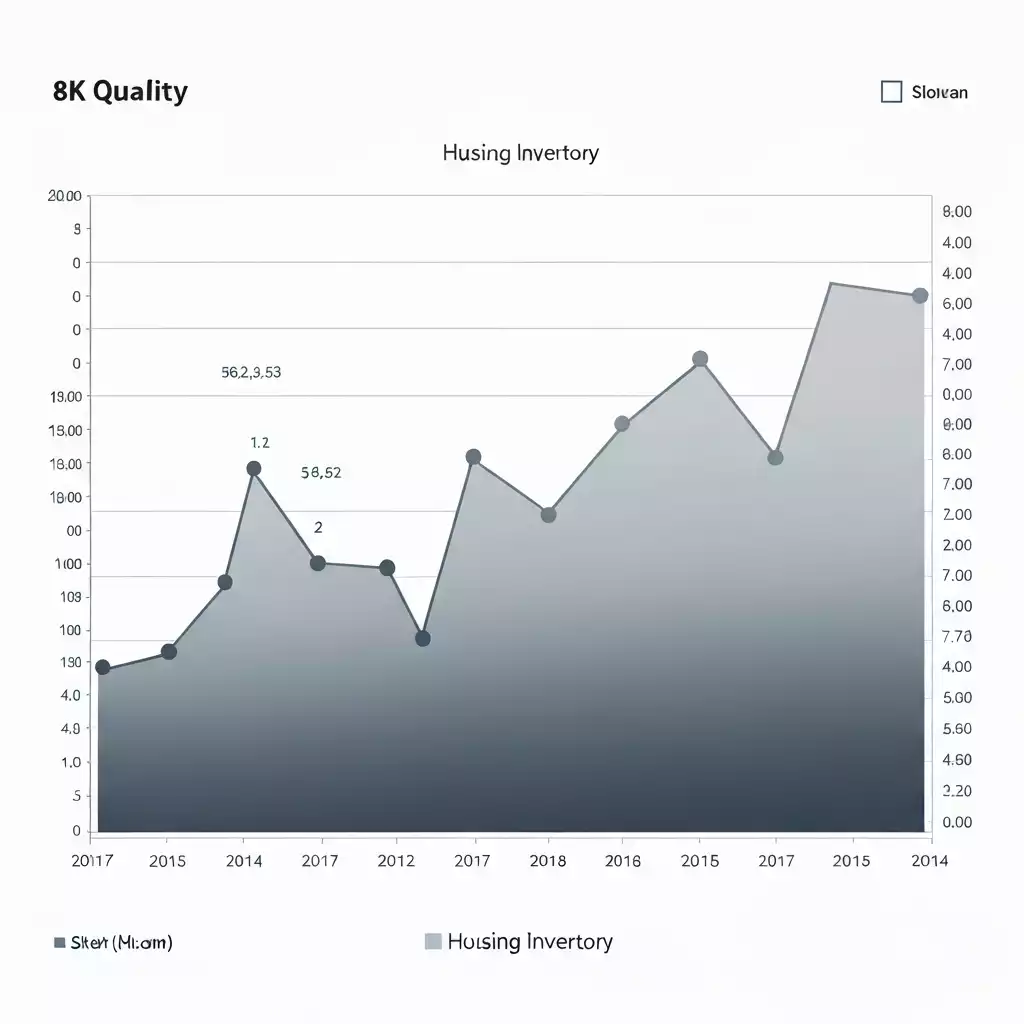
What Does the Recent Housing Inventory Surge Mean for the Market?
The recent surge in housing inventory indicates a significant shift in market equilibrium. With more homes available for purchase, buyers now have the luxury of choice. This increase in options can lead to a more competitive market, potentially stabilizing home prices and providing buyers with the negotiating power they may not have had in recent years.
- More homes mean increased competition among sellers.
- Buyers can take their time, exploring various properties.
- Negotiation terms may become more favorable for buyers.
This new landscape encourages buyers to conduct thorough research and make educated decisions rather than rushing into home purchases. In today’s market, having patience can truly pay off!
Key Factors Driving the Increase in Housing Inventory in 2025
Several factors are contributing to the increase in housing inventory. Understanding these can help you navigate the current landscape effectively. Some of the key drivers include:
- A rise in new construction projects across various regions.
- Homeowners opting to sell as they capitalize on their property values.
- Changes in economic conditions that encourage more listings.
These elements are creating a more favorable environment for potential homebuyers. With each of these factors in play, we can expect the market to continue evolving throughout the year. The positive news is that this means more opportunities for individuals looking to purchase their dream home!
Analyzing Housing Inventory Levels: Trends and Implications
Analyzing housing inventory levels reveals essential trends that can impact buyer decisions and strategies. Tracking these levels helps us understand market fluctuations and anticipate future changes. For instance, a steady increase in inventory typically indicates a shift towards a buyer’s market, where buyers hold the upper hand.
- Increased inventory often leads to longer selling times.
- Home prices may stabilize or even decrease under certain conditions.
- Buyers can negotiate better terms and incentives.
By keeping an eye on these trends, you can position yourself to make the best possible decisions. Whether you’re a first-time homebuyer or an experienced investor, staying informed about inventory levels can significantly enhance your negotiating power!
We Want to Hear From You!
How do you feel about the current housing inventory surge? Are you optimistic about the opportunities it presents for buyers? Share your thoughts below:
Frequently Asked Questions (FAQs)
What does the recent surge in housing inventory mean for buyers?
A surge in housing inventory means more choices for buyers and increased negotiating power due to a more balanced market. This can lead to stabilized prices and more favorable terms.
What are the main factors driving the increase in housing inventory?
Key factors include a rise in new construction projects, homeowners selling to capitalize on property values, and changing economic conditions that encourage more listings.
How can buyers benefit from increased housing inventory?
Buyers can benefit from a wider selection of homes, potential price stabilization, and better negotiation terms. It also allows buyers more time to research and make informed decisions.
What are the long-term implications of these inventory changes?
Long-term implications include greater affordability for future homeowners, more diverse housing options, and enhanced competition among sellers, which can lead to better pricing strategies.
Which economic indicators should buyers monitor?
Buyers should monitor interest rates (which impact purchasing power), employment levels (which boost consumer confidence), and inflation rates (which affect construction costs and supply).
Looking Ahead: Future Inventory Trends and Market Forecasts
As we glance towards the future, it’s essential to understand the potential trends in housing inventory and how they might shape the market over the coming years. The current surge in housing inventory signals a possible shift towards more balanced conditions, but what does that mean for homebuyers and sellers alike? Here are some key considerations to keep in mind:
- Potential stabilization of home prices as inventory levels adjust
- Increased opportunities for first-time homebuyers
- Variability in inventory depending on regional economic conditions
It’s important to note that the future inventory landscape will likely be influenced by various factors, including ongoing economic conditions and demographic shifts. By staying informed, we can make better decisions moving forward!

Long-Term Implications of Housing Inventory Changes Beyond 2025
The long-term implications of the ongoing changes in housing inventory extend well beyond 2025. As more homes become available, we might see a shift in market dynamics that could benefit both buyers and sellers. For instance, a larger inventory can lead to:
- Greater affordability for homeowners
- More diverse housing options for buyers
- Enhanced competition among sellers, promoting better pricing strategies
Ultimately, understanding these trends is crucial for navigating the evolving market. I believe that keeping an eye on these developments can help us all adapt our strategies effectively!
Understanding Economic Indicators and Their Impact on Future Market Trends
Economic indicators play a significant role in shaping housing inventory trends. Factors like interest rates, employment levels, and consumer confidence can directly impact buyer activity and housing availability. As we analyze these indicators, we can better predict how the market will evolve: For those looking to make a smart financial move, understanding should I sell my house can be crucial.
- Low interest rates typically boost purchasing power for buyers
- High employment rates enhance consumer confidence, leading to increased buying activity
- Inflation rates can affect construction costs, which may impact new inventory supply
As an active participant in the real estate market, I encourage you to stay informed about these economic variables. They are essential for making sound investment decisions!
Recap of Key Points
Here is a quick recap of the important points discussed in the article:
- The surge in housing inventory provides buyers with more choices and negotiating power.
- Key factors driving inventory increase include new construction, homeowners selling, and changing economic conditions.
- Analyzing inventory levels can reveal trends that influence buyer strategies and market dynamics.
- Future inventory trends signal potential stabilization of home prices and increased opportunities for buyers.
- Understanding economic indicators is essential for predicting market trends and making informed investment decisions.