








In a rapidly changing financial landscape, understanding current mortgage rates is more crucial than ever for both homebuyers and homeowners. These rates directly impact your financial decisions, and staying informed can unlock significant savings.
What You Will Learn
- Mortgage rates are influenced by economic conditions, lending practices, and borrower qualifications.
- Fixed-rate and adjustable-rate mortgages cater to different financial needs, each with its own advantages.
- A higher credit score and larger down payment can lead to lower mortgage rates, saving you money over the loan’s term.
- Economic indicators like inflation and employment rates can significantly affect mortgage rates and should be monitored closely.
- Utilizing online tools and resources helps you make informed decisions and take advantage of favorable mortgage options.
- Comparing lenders is essential as interest rates and fees can vary, leading to potential savings.
- Understanding closing costs and associated fees prepares you for the financial implications of your mortgage transaction.
Factors Influencing Current Mortgage Rates
Understanding the key elements that shape mortgage rates can help you make informed financial decisions. For instance, understanding credit scores and mortgages is essential as your credit score significantly impacts the rates offered.
Determining Factors
Borrower Impact
- Credit Score: Higher score = Lower rates
- Loan Term: Shorter term = Lower rates
- Down Payment: Larger amount = Better rates
Economic Indicators
- Inflation: Higher = Higher rates
- Employment Data: Strong = Increased demand
- Fed Actions: Directly affect rates
Understanding Current Mortgage Rates and Their Importance
In today’s financial landscape, current mortgage rates play a crucial role for both homebuyers and homeowners. These rates can significantly affect monthly payments and overall affordability. Understanding what these rates are and how they fluctuate helps us make informed decisions about purchasing or refinancing homes.
Mortgage rates are influenced by various factors, including economic conditions, lending practices, and individual borrower qualifications. It’s important to keep an eye on these rates, as they can change frequently based on market dynamics.
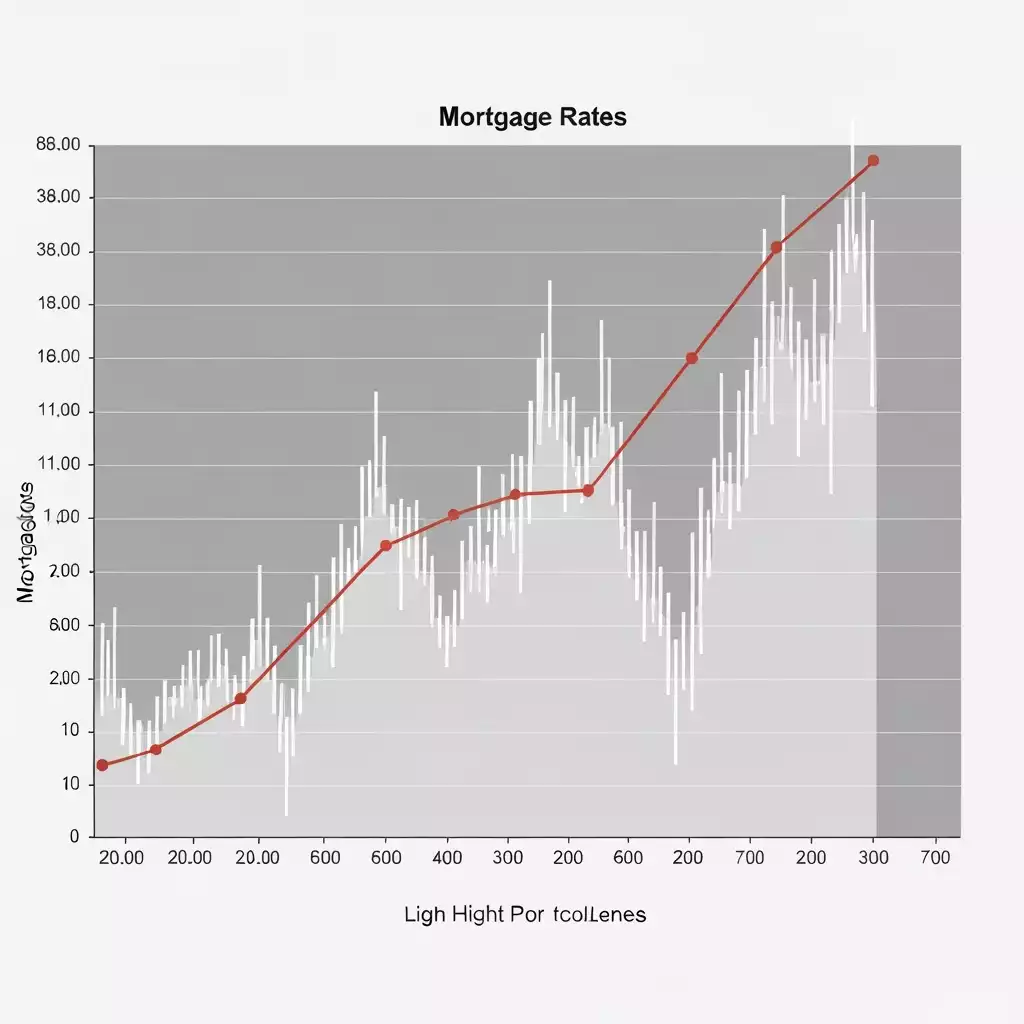
What Are Current Mortgage Rates?
Current mortgage rates refer to the interest rates lenders offer to borrowers for home loans. These rates can vary greatly depending on the type of mortgage, the lender, and the borrower’s financial profile. Essentially, the lower the mortgage rate, the less you will pay over the life of the loan, making it vital to stay updated.
- Fixed-rate mortgages: Interest rates remain constant for the life of the loan.
- Adjustable-rate mortgages (ARMs): Rates can fluctuate after an initial fixed period.
- Government-insured loans: These often have competitive rates and more flexible qualifying criteria.
By understanding the various types of mortgage rates available, we can better navigate the options that fit our financial situations. As someone deeply invested in helping clients secure the best rates, I often encourage potential buyers to explore all avenues for obtaining a favorable rate! For a deeper dive into stable options, consider learning more about fixed-rate mortgages as a stable choice.
How Are Current Mortgage Rates Determined?
Mortgage rates are primarily determined by a combination of economic factors and lender policies. Many lenders base their rates on the yield of 10-year Treasury bonds, which reflect investor confidence in the economy. Additionally, lenders consider the borrower’s credit score, loan amount, and down payment size.
- Credit score: A higher score typically results in lower rates.
- Loan term: Shorter terms often have lower rates but higher monthly payments.
- Down payment: A larger down payment can help reduce the rate offered.
As a mortgage consultant, I always emphasize the importance of maintaining a good credit score and saving for a substantial down payment to secure better mortgage rates. These factors significantly impact how much we pay over the life of the loan!
The Role of Economic Indicators in Current Mortgage Rates
Economic indicators such as inflation, employment rates, and the overall health of the economy are critical in shaping current mortgage rates. For instance, when inflation rises, lenders may increase rates to maintain their profit margins. Conversely, during times of economic stability, rates may decrease to stimulate borrowing.
- Inflation: Higher inflation typically leads to higher mortgage rates.
- Employment data: Strong job growth can lead to increased demand for housing, influencing rates.
- Federal Reserve actions: Changes in the federal funds rate directly affect mortgage rates.
Understanding these economic indicators allows us to anticipate potential changes in mortgage rates, helping us strategize when to apply for a loan. I often encourage my clients to stay informed about these trends to make the best choices possible!
Pro Tip
Did you know? Regularly checking your credit report can help you identify areas for improvement that may qualify you for lower mortgage rates. Small changes, such as reducing outstanding debts or ensuring timely payments, can make a significant difference in your credit score and, consequently, the interest rates offered to you!
Summarizing the Current Mortgage Rate Landscape
As we navigate the complex world of mortgages, it’s essential to grasp the current mortgage rate landscape. Understanding these rates can significantly influence your financial decisions, whether you’re buying a new home or refinancing your existing mortgage. Here are some key takeaways that highlight the importance of being informed:
- Mortgage rates fluctuate based on economic indicators and market trends.
- Different types of mortgage rates, including fixed and adjustable rates, cater to various financial situations.
- Staying updated on rate changes can help you seize opportunities for savings.
By keeping these points in mind, you’ll be better equipped to make informed choices that align with your financial goals. I’m always here to help you understand your options better!
Encouragement to Act: The Importance of Staying Informed
Staying informed about mortgage rates is crucial, especially in a market that changes rapidly. The more you know, the better decisions you can make regarding your housing investments! Here’s why you should take action:
- Being proactive allows you to lock in lower rates before they rise.
- Understanding market dynamics positions you to capitalize on favorable conditions.
- Knowledge of mortgage products helps you choose the best option for your needs.
Don’t wait for rates to change—make sure you’re equipped with the latest information! I often share insights and updates to guide you through these decisions. For those looking to purchase their first home, understanding first-time homebuyer education is a key step.

Next Steps for Homebuyers and Homeowners
Utilizing Tools and Resources to Make Informed Decisions
In today’s digital age, there are countless tools and resources available to assist you in navigating mortgage options. Whether you’re looking for calculators or informative articles, here are some great resources:
- Online mortgage calculators for estimating monthly payments.
- Financial planning websites that provide detailed guides on mortgage types.
- Mobile apps that track mortgage rate trends and alerts.
Using these resources can empower you to make smarter financial decisions! I also recommend checking out our website for personalized tools and insights tailored to your situation.
Why Comparing Lenders Can Help You Save
When it comes to securing a mortgage, comparing lenders is one of the best strategies you can employ. Not all lenders offer the same rates or terms, and shopping around can lead to significant savings! Here’s what you should consider:
- Different lenders may have varying interest rates and fees.
- Some lenders offer special programs or discounts based on your circumstances.
- Understanding lender reviews and ratings can help you find a reputable partner.
Taking the time to compare can pay off greatly in the long run! I’m happy to help you explore your options and find the right lender for your needs.
Understanding Closing Costs and Other Fees Involved in Mortgage Transactions
As you embark on your mortgage journey, it’s vital to understand the various costs associated with obtaining a loan. Closing costs can add up quickly, impacting your overall budget. Here are some typical fees you should be aware of:
- Loan origination fees charged by the lender.
- Appraisal fees for property valuation.
- Title insurance and settlement fees.
Being prepared for these expenses ensures you won’t face any surprises at closing. If you have any questions about specific fees or how to navigate them, just reach out! I’m here to guide you every step of the way. For veterans, understanding VA loans for veterans and buyers can offer significant advantages.
Recap of Key Points
Here is a quick recap of the important points discussed in the article:
- Current mortgage rates are crucial for homebuyers and homeowners as they significantly impact monthly payments and affordability.
- Understanding different types of mortgage rates (fixed, adjustable, and government-insured) helps in navigating options.
- Mortgage rates are determined by economic factors, borrower qualifications, and lender policies, making a good credit score and down payment essential.
- Economic indicators like inflation and employment rates play a key role in shaping mortgage rates.
- Staying informed about market trends and comparing lenders can lead to better mortgage options and savings.
- Being aware of closing costs and other fees involved in mortgage transactions is vital to avoid surprises during the process.
Frequently Asked Questions About Current Mortgage Rates
Q: What factors influence current mortgage rates?
A: Current mortgage rates are primarily influenced by economic conditions (like inflation and employment rates), lending practices, and individual borrower qualifications (such as credit score and down payment).
Q: What is the difference between fixed-rate and adjustable-rate mortgages?
A: A fixed-rate mortgage has an interest rate that remains constant throughout the life of the loan, providing predictable monthly payments. An adjustable-rate mortgage (ARM) has an interest rate that can fluctuate after an initial fixed period, meaning payments can go up or down.
Q: How can a higher credit score affect my mortgage rate?
A: A higher credit score generally indicates lower risk to lenders, which can qualify you for lower interest rates. This can lead to significant savings over the life of your loan.
Q: Why is it important to compare lenders when getting a mortgage?
A: Comparing lenders is crucial because interest rates, fees, and terms can vary significantly from one lender to another. Shopping around can help you find the most favorable terms and potentially save a substantial amount of money.
Q: What are closing costs, and why should I be aware of them?
A: Closing costs are various fees and expenses paid at the close of a mortgage transaction, in addition to the down payment. These can include loan origination fees, appraisal fees, title insurance, and more. Being aware of them helps you budget accurately and avoid surprises.