







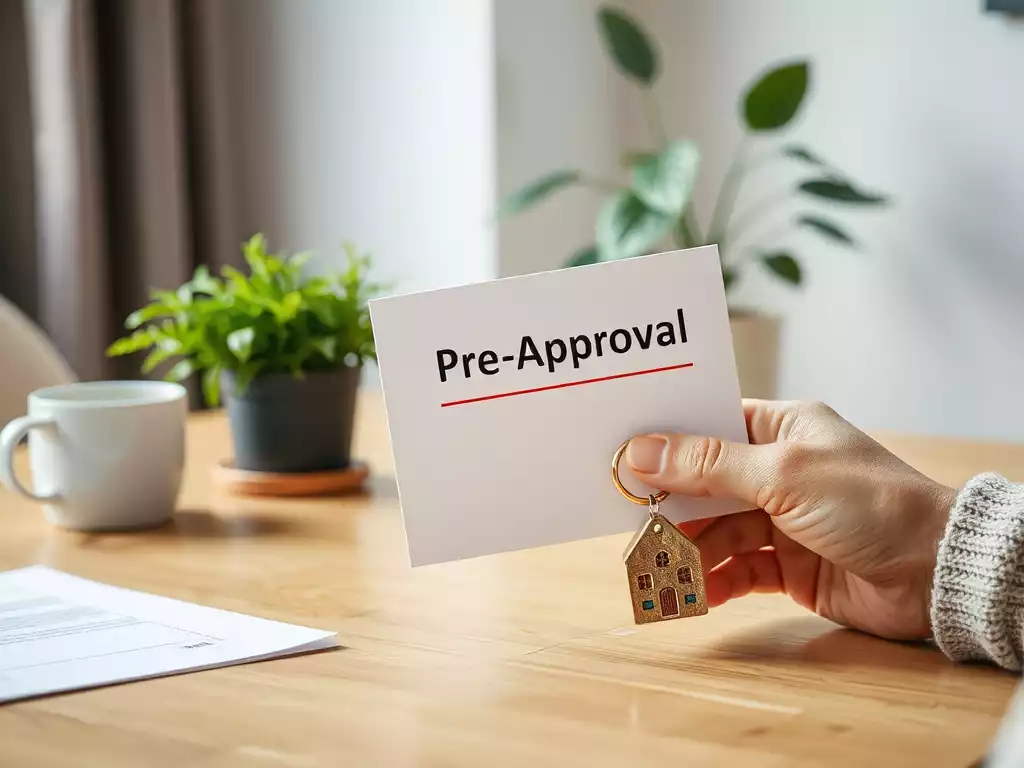

In the complex landscape of home buying, mortgage pre-approval serves as your guiding light. This essential step not only clarifies your financial standing but also enhances your attractiveness to sellers. Understanding the nuances of pre-approval can transform your home buying experience from overwhelming to empowering.
What You Will Learn
- Mortgage pre-approval provides a clear understanding of your budget and borrowing capacity.
- It differs significantly from pre-qualification, involving a more thorough assessment and documentation.
- Pre-approval enhances your negotiating power, making you a more attractive buyer to sellers.
- Creating a pre-approval checklist can streamline your application process and ensure you have all necessary documentation.
- Improving your credit score before applying can lead to better loan terms and rates.
- Understanding different financing options like FHA, VA, and conventional loans is crucial for choosing the right mortgage path.
- Once pre-approved, you can approach your home search with confidence and a clear strategy.
Understanding Mortgage Pre-Approval: Your Essential First Step in Home Buying
When it comes to buying a home, understanding mortgage pre-approval is critical. This process can give you a clearer idea of your budget and streamline your journey toward homeownership. Not only does pre-approval help you understand how much you can borrow, but it also signals to sellers that you’re a serious buyer with financial backing. For more details on budgeting, explore our guide on smart budgeting for your first home.
But what exactly is mortgage pre-approval? It’s a lender’s commitment to loan you a specific amount based on your financial profile. This initial step can set the tone for your entire home-buying experience, giving you a competitive advantage in a bustling market.
What Is Mortgage Pre-Approval and Why Is It Important?
Mortgage pre-approval involves a lender reviewing your financial information to determine how much you can borrow. This process typically includes a credit check and verification of your income and assets. Having a pre-approval letter in hand not only helps you know your buying power but also shows sellers that you’re a motivated buyer.
In a competitive housing market, being pre-approved can make a significant difference. It can enhance your credibility with sellers and may even lead to better negotiating power. Here’s why having that pre-approval is essential:
- Verification: It confirms that your finances have been assessed and approved by a lender.
- Budget Clarity: You’ll know exactly how much you can afford to borrow, making it easier to narrow down your options.
- Time-Saving: Pre-approval can speed up the home-buying process, allowing you to act quickly when you find the right property.
Key Differences Between Pre-Qualification and Pre-Approval
It’s crucial to differentiate between pre-qualification and pre-approval, as these terms are often confused. Pre-qualification is a preliminary step where a lender provides an estimate of how much you might be able to borrow based on the information you provide. In contrast, pre-approval is a more formal process that involves documentation and a deeper dive into your financial situation. Discover more about the mortgage application process in our article on the mortgage application process explained.
Here are the main differences you should be aware of:
- Documentation: Pre-approval requires documentation, while pre-qualification may only need verbal
 information.
 - Credit Check: Pre-approval includes a credit check; pre-qualification usually does not.
- Commitment Level: Pre-approval offers a stronger commitment from lenders compared to pre-qualification.
How Mortgage Pre-Approval Affects Your Home Buying Process
Having a pre-approval can significantly shape the way you approach your home search. Armed with a pre-approval letter, you can focus on properties within your budget, reducing the chances of falling in love with homes that are out of reach financially. This targeted approach can save you time and heartache.
Moreover, pre-approval can also affect your negotiation strategy. As a buyer with pre-approval, you are more likely to be taken seriously by sellers, giving you leverage in negotiations. Here’s how it influences your process:
- Focused Search: It helps you concentrate only on homes that fit your financial criteria.
- Speedy Transactions: Sellers prefer buyers who can move quickly, and pre-approval positions you as a serious contender.
- Confidence Boost: Knowing your borrowing limit can make you more confident during the buying process.
Pro Tip
Did you know? Staying organized during the mortgage pre-approval process can significantly reduce stress and improve your chances of approval. Create a dedicated folder—both physical and digital—where you can keep all necessary documents like pay stubs, tax returns, and identification. This will not only help you stay on top of what you need but also impress lenders with your preparedness!
Strategies for Maximizing Your Pre-Approval Success
Getting pre-approved for a mortgage is a crucial step in the home buying journey, and there are several strategies you can use to enhance your chances of success. By taking some proactive measures, you can streamline your application and put your best foot forward. Here are some essential tactics to consider:
Creating a Pre-Approval Checklist to Streamline Your Application
One effective way to stay organized during the pre-approval process is to create a pre-approval checklist. This will help ensure you have all the necessary documents ready to submit, making the application process smoother. Here’s a simple checklist to get you started:
- Proof of income (pay stubs, tax returns)
- Bank statements (typically the last two months)
- Identification (driver’s license or passport)
- Employment verification
Having these documents at your fingertips will not only speed up your pre-approval but also demonstrate to lenders that you are a serious buyer. Being prepared can make all the difference in how quickly you receive your pre-approval!
Tips for Improving Your Credit Score Before Applying
Your credit score plays a significant role in determining the loan terms you can receive. If you’re looking to enhance your score before applying for pre-approval, consider these practical tips:
- Check your credit report for errors and dispute inaccuracies.
- Pay down credit card balances to reduce your overall credit utilization.
- Make all payments on time to build positive credit history.
- Avoid opening new credit lines before applying.
 By focusing on your credit health, you can improve your chances of getting a favorable mortgage rate. Remember, small changes can lead to significant improvements!
Understanding Different Financing Options: FHA, VA, and Conventional Loans
As you prepare for pre-approval, it’s vital to understand the various financing options available to you. Here’s a brief overview of three common types:
- FHA Loans: These are government-backed loans that typically require lower down payments and are ideal for first-time buyers.
- VA Loans: Exclusively for veterans and active-duty military members, VA loans offer great benefits like no down payment and no private mortgage insurance.
- Conventional Loans: These loans are not insured by the government and may require higher credit scores and larger down payments.
Understanding these options can help you choose the right path for your needs. It’s important to research which loan type aligns with your financial situation and goals, as this knowledge can greatly influence your pre-approval success! For a deeper dive into financing, read our guide on exploring different mortgage financing options.
Taking the Next Steps After Getting Pre-Approved
Once you’ve secured your pre-approval, it’s time to take the next steps in your home buying journey. This not only builds your confidence but also sets you up for a successful experience. Let’s explore how you can leverage your pre-approval to your advantage.
How Pre-Approval Influences Your Home Buying Strategy
Your pre-approval puts you in a stronger negotiating position. Knowing your budget allows you to focus your search on homes within your price range and makes your offers more appealing to sellers. Here are some key points to consider:
- Stick to homes within your budget to avoid financial strain later.
- Be prepared to act quickly on homes you love, as you’ll already have financing in place.
- Use your pre-approval as leverage when negotiating offers.
With a clear strategy in place, you can approach your home search with enthusiasm and confidence. Taking informed steps will help you land the home of your dreams!
Engaging with Real Estate Agents and Sellers Effectively
Once pre-approved, it’s time to connect with real estate agents. Having a qualified agent by your side can make a huge difference in navigating the market. Consider these tips for effective engagement:
- Choose an agent who is experienced in your desired neighborhoods.
- Communicate your needs and preferences clearly.
- Trust your agent’s insights on current market conditions.
Your agent can provide vital information on available listings, pricing, and competition in the area. Remember, a strong partnership with your agent can enhance your home buying experience!
How to Evaluate Property Value and Market Trends
Evaluating property value and understanding market trends is critical after pre-approval. Here are some strategies to help you make informed decisions:
- Use online tools to research neighborhood prices and recent sales.
- Attend open houses to gauge the market and see how homes compare.
- Ask your real estate agent for comparative market analysis (CMA) reports.
By staying informed, you can make better offers that align with the true market value of the homes you are considering! This knowledge is power in your home buying journey. For further reading, check out our guide on understanding property valuation and market analysis.
Frequently Asked Questions About Mortgage Pre-Approval
- Q: What is mortgage pre-approval?
- A: Mortgage pre-approval is a lender’s conditional commitment to loan you a specific amount of money based on a thorough review of your financial information, including a credit check, income verification, and asset assessment.
- Q: How does pre-approval differ from pre-qualification?
- A: Pre-qualification is an informal estimate of what you might be able to borrow, often based on verbal information and without a credit check. Pre-approval is a more formal process that requires documentation and a credit check, offering a stronger commitment from the lender.
- Q: Why is mortgage pre-approval important for home buyers?
- A: Pre-approval provides clarity on your budget, enhances your credibility with sellers, gives you a competitive edge in a busy market, and can speed up the home-buying process once you find a property.
- Q: What documents do I need for mortgage pre-approval?
- A: Typically, you’ll need proof of income (pay stubs, tax returns), bank statements (last two months), identification (driver’s license or passport), and employment verification.
- Q: How can I improve my credit score before applying for pre-approval?
- A: To improve your credit score, you can check your credit report for errors, pay down credit card balances, make all payments on time, and avoid opening new credit lines.
- Q: What are the main types of home loans available?
- A: Common loan types include FHA loans (government-backed, lower down payments), VA loans (for veterans, no down payment), and Conventional loans (not government-insured, may require higher credit scores and down payments).
Recap of Key Points
Here is a quick recap of the important points discussed in the article:
- Importance of Pre-Approval: Mortgage pre-approval clarifies your budget and enhances your credibility with sellers.
- Pre-Approval vs. Pre-Qualification: Pre-approval involves a detailed review of your financials, while pre-qualification is more informal.
- Focused Home Search: Pre-approval helps target homes within your budget, saving time and reducing emotional strain.
- Strategies for Success: Create a pre-approval checklist and improve your credit score to increase your chances of a favorable mortgage.
- Understand Financing Options: Familiarize yourself with FHA, VA, and conventional loans to choose the best fit for your needs.
- Next Steps: Leverage your pre-approval in negotiations and engage effectively with real estate agents to enhance your buying experience.