





What to Look for in a Home Inspection: A Comprehensive Checklist for Buyers in 2025
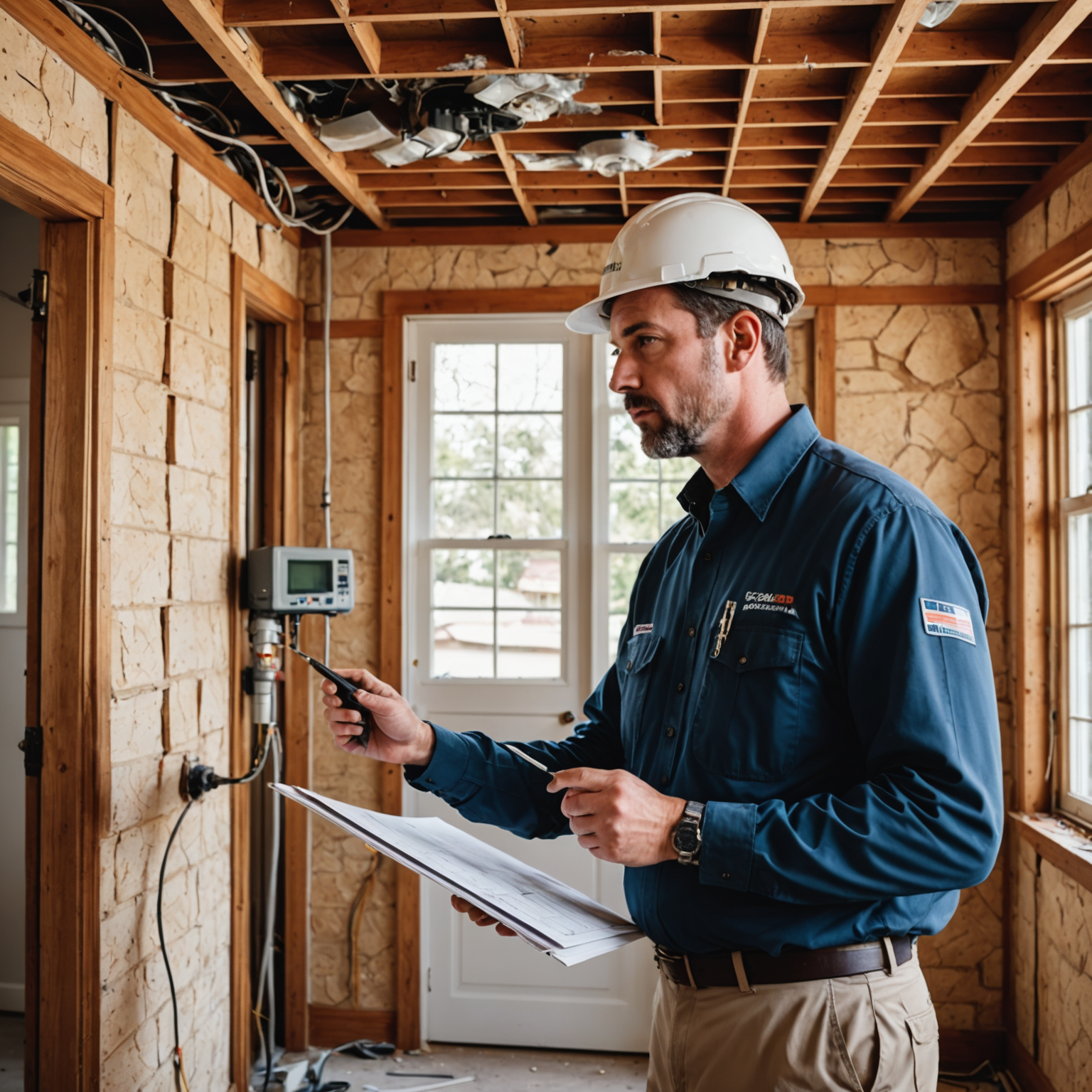
Buying a home is one of the biggest investments you’ll make, and a thorough home inspection is crucial to uncovering potential issues before closing. A professional inspector typically examines the property’s structure, systems, and safety features, but knowing what to look for empowers you to ask the right questions and spot red flags. On average, inspections cost $300–$500 and take 2–4 hours, depending on the home’s size. This guide, based on expert recommendations, outlines key areas to focus on. Always hire a certified inspector (e.g., from ASHI or InterNACHI), and attend the inspection if possible. For more details, check out Bankrate’s Home Inspection Checklist or Rocket Mortgage’s Buyer’s Guide.
Note: While this covers common items, inspections vary by location, home age, and type. In 2025, with rising concerns over climate resilience, pay extra attention to flood risks, energy efficiency, and smart home integrations.
1. Exterior and Grounds
The outside sets the stage—issues here can indicate broader problems like water damage or structural weakness.
- Foundation and Structure: Look for cracks, settling, or uneven floors. Hairline cracks might be normal, but wider ones (>1/4 inch) could signal foundation issues.
- Siding, Paint, and Trim: Check for peeling, rot, or damage. Wood siding should be free of pests like termites.
- Windows and Doors: Ensure they seal properly, with no drafts or broken seals. Double-paned windows shouldn’t have condensation inside.
- Drainage and Grading: Soil should slope away from the house to prevent water pooling. Gutters and downspouts should direct water at least 5–10 feet away.
- Driveway, Walkways, and Landscaping: Inspect for cracks, tripping hazards, or overgrown roots that could damage the foundation.
Pro Tip: In flood-prone areas, check for proper elevation and sump pumps.
2. Roof and Attic
Roofs last 20–30 years; a failing one can cost $5,000–$10,000 to replace.
- Roof Condition: Look for missing/shifted shingles, sagging, or leaks. Check flashing around chimneys and vents.
- Age and Material: Ask about the roof’s age—asphalt shingles wear out faster than metal or tile.
- Attic Inspection: Ensure proper insulation (R-30+ recommended), ventilation to prevent mold, and no signs of water damage or pests.
- Chimney and Vents: No cracks or blockages; chimney should be lined if used for fireplaces.
If the roof is older, consider a separate roof inspection.
3. Interior Rooms and Structure
Focus on functionality and signs of hidden damage.
- Walls, Ceilings, and Floors: Check for cracks, stains (indicating leaks), or unevenness. Test floors for squeaks or soft spots.
- Doors and Windows: They should open/close smoothly without sticking.
- Basement/Crawl Space: Look for moisture, mold, cracks, or efflorescence (white powdery residue from water seepage).
- Stairs and Railings: Secure and code-compliant (e.g., railings 34–38 inches high).
Red Flag: Any “off” odors or mismatched repairs could hide issues like mold or water damage.
4. Plumbing System
Plumbing problems can lead to costly leaks or health hazards.
- Fixtures and Faucets: Test for leaks, water pressure (40–80 PSI ideal), and drainage speed.
- Pipes and Drains: No corrosion, leaks, or outdated materials like lead or polybutylene.
- Water Heater: Check age (10–15 years lifespan), capacity, and signs of rust. Ensure it’s properly vented.
- Sump Pump and Sewage: Functional with battery backup; no backups or odors.
- Toilets and Showers: Stable, no leaks; caulking intact to prevent mold.
In older homes (pre-1986), test for lead pipes.
5. Electrical System
Outdated wiring poses fire risks—homes need at least 100–200 amps.
- Panel and Wiring: No aluminum wiring (fire hazard); breakers not fuses. Check for GFCI outlets in wet areas.
- Outlets and Switches: All work; no exposed wires or overheating.
- Lighting and Appliances: Test fixtures; ensure grounded outlets.
- Smoke/CO Detectors: Present on every level, tested, and under 10 years old.
Consider a separate electrical inspection for smart homes.
6. HVAC and Appliances
These systems affect comfort and energy bills.
- Heating and Cooling: Furnace/AC age (15–20 years), filters clean, no strange noises. Ducts sealed.
- Ventilation: Proper exhaust in kitchens/baths to prevent moisture buildup.
- Appliances: If included, test oven, dishwasher, etc., for functionality.
- Insulation: Adequate in walls/attic for energy efficiency.
In 2025, check for smart thermostats and energy ratings.
7. Safety and Environmental Concerns
Prioritize health and hazard checks.
- Pest Inspection: Signs of termites, rodents, or ants—often a separate wood-destroying organism (WDO) report.
- Radon and Mold: Test for radon (EPA recommends under 4 pCi/L); visible mold needs remediation.
- Asbestos/Lead: In homes pre-1978, check paint and insulation.
- Septic/Well (if applicable): Pumped recently; water tested for contaminants.
- Garage: Door opener with auto-reverse; no fire hazards.
Common Red Flags and Tips
- Water Damage: Stains, musty smells, or warped materials—could cost thousands to fix.
- DIY Fixes: Botched repairs might hide deeper issues.
- Aging Components: Budget for replacements if systems are near end-of-life.
- Attend the Inspection: Ask questions and take notes/photos.
- Post-Inspection: Review the report; negotiate repairs or credits with the seller.
- Specialized Inspections: Consider add-ons for pools, sewers, or radon ($100–$500 each).
A home inspection isn’t a pass/fail—it’s about informed decisions. If issues arise, it could save you from a money pit. For a printable checklist, download from Total Home Inspection or The Home Depot. Consult a real estate professional for personalized advice. If you have a specific home type (e.g., condo vs. single-family), let me know for more details!