






Property valuation services provide professional assessments of a property’s market value, essential for buying, selling, refinancing, taxation, or investment decisions. These services determine fair market value based on factors like location, condition, size, and comparable sales. In 2025, with fluctuating real estate markets and updated regulations, understanding these services helps homeowners, investors, and small businesses make informed choices. This guide covers definitions, methods, processes, benefits, selection tips, costs, and more.
What Are Property Valuation Services?
Property valuation, also known as appraisal, is an unbiased estimate of a property’s worth conducted by licensed professionals. It differs from informal estimates (e.g., online tools) by involving detailed inspections and market analysis. Services are offered by appraisers, valuers, or firms specializing in residential, commercial, or industrial properties. They ensure compliance with standards like those from the Uniform Standards of Professional Appraisal Practice (USPAP) in the US.

Types of Property Valuation Methods
Valuers use several approaches depending on property type and purpose. The main methods include:
| Method | Description | Best For |
|---|---|---|
| Sales Comparison Approach | Compares the property to recent sales of similar properties (comps), adjusting for differences like size or condition. | Residential homes, where market data is abundant. |
| Cost Approach | Estimates the cost to rebuild the property minus depreciation, plus land value. | New constructions or unique properties like schools. |
| Income Approach | Calculates value based on potential income (e.g., rent) using capitalization rates. | Commercial or rental properties. |
| Profits Method | Assesses value based on business profits generated by the property. | Hotels, pubs, or retail spaces. |
| Residual Method | Determines land value by subtracting development costs from projected sale price. | Development sites. |
Other methods like Price Per Square Foot or Gross Rent Multiplier are variations for quick estimates.
The Property Valuation Process: Step-by-Step
The process typically follows a structured approach to ensure accuracy and compliance.
- Initial Consultation: Define the purpose (e.g., sale, tax appeal) and gather property details like deeds or plans.
- Data Collection: Research market trends, comparable sales, and economic factors.
- Property Inspection: On-site visit to assess condition, features, and improvements.
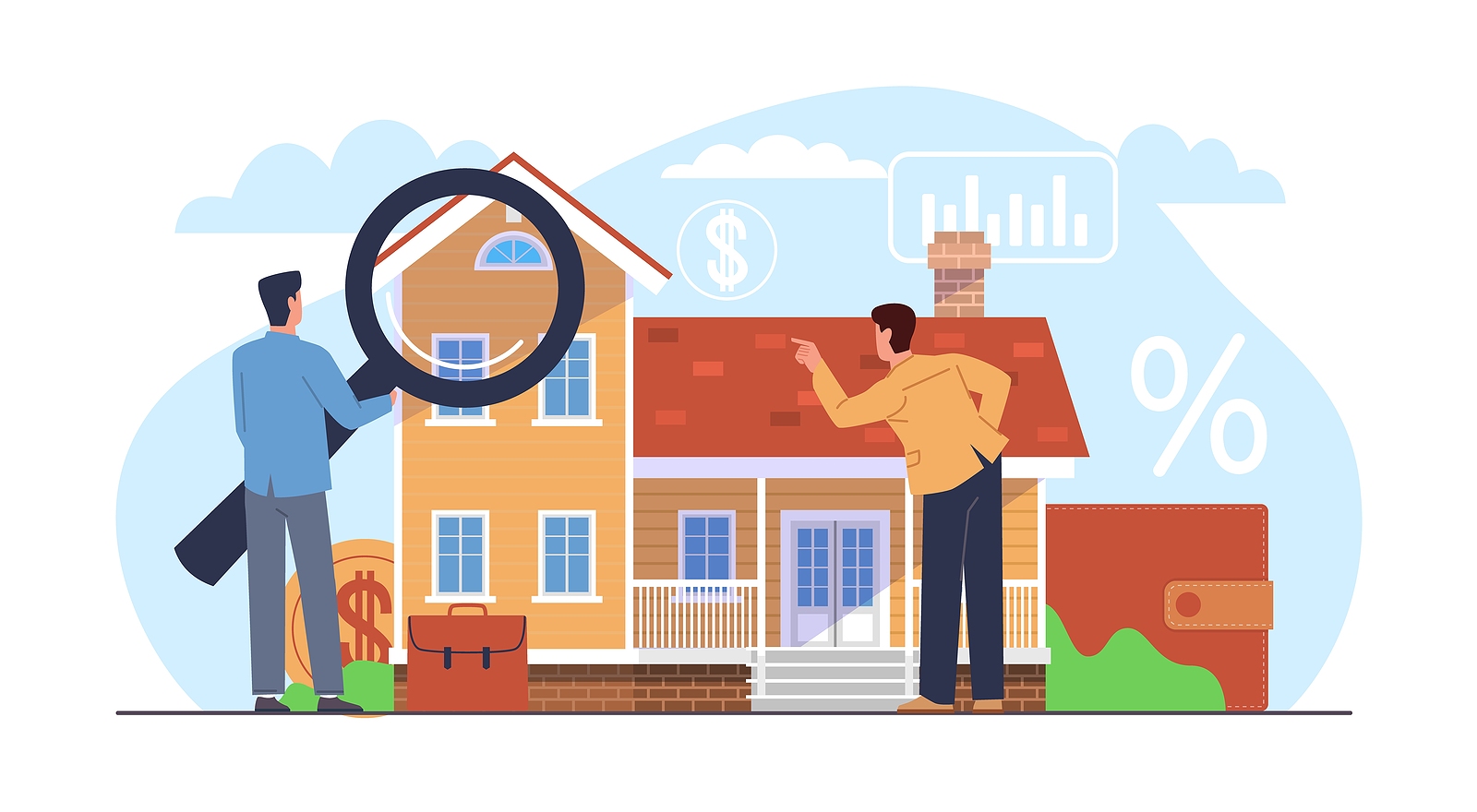
What to Expect During the Home Appraisal Process | Womack …
- Analysis and Valuation: Apply appropriate methods to calculate value.
- Report Generation: Compile findings into a detailed report, including photos and justifications.
- Review and Delivery: Final checks for accuracy before sharing with the client.
For mass appraisals (e.g., tax purposes), processes involve standardized models for multiple properties.

Benefits of Professional Property Valuation
Hiring experts offers numerous advantages:
- Accuracy and Objectivity: Reduces risks of over- or under-valuing, avoiding financial losses.
- Informed Decisions: Essential for sales, purchases, or refinancing to negotiate better terms.
- Tax and Insurance Savings: Accurate values can lower property taxes or insurance premiums.
- Legal Compliance: Meets requirements for mortgages, estates, or disputes.
- Investment Insights: Helps track asset growth and plan improvements.
- Peace of Mind: Professional reports build trust with lenders or buyers.
Regular valuations (every 1-3 years) are recommended in volatile markets.
How to Choose a Property Valuation Service
Selecting the right provider ensures reliable results. Key factors:
- Experience and Expertise: Look for licensed appraisers with specialization in your property type (e.g., commercial vs. residential).
- Reputation and Credentials: Check reviews, certifications (e.g., MAI designation), and membership in bodies like the Appraisal Institute.
- Local Knowledge: Choose firms familiar with your area’s market trends.
- Transparency and Pricing: Opt for clear fee structures and detailed reports.
- Technology Use: Modern tools like data analytics improve accuracy.
- References and Samples: Request past reports or client testimonials.
Compare multiple quotes and avoid the cheapest option if it compromises quality.
Costs of Property Valuation Services in 2025
Fees vary by location, property type, and complexity. In the US:
- Residential appraisals: $350–$550 on average.
- Commercial: $1,000–$5,000+, depending on size.
- In Canada: $300–$500 for typical homes.
Factors increasing costs: Rural locations, large properties, or urgent requests. Some services offer bundles for multiple properties.
Tips for a Successful Valuation
- Prepare documents (e.g., title deeds, renovations records).
- Clean and declutter the property for inspection.
- Highlight improvements like energy-efficient upgrades.
- Understand the report and ask questions.
- Use online tools for preliminary estimates, but rely on pros for official purposes.
Resources
- Notary Nepal’s Comprehensive Guide
- McKissock’s Real Estate Valuation Methods
- Dealpath’s Appraisal Methods
- NAR’s Appraisal Resources
Whether you’re a homeowner or investor, professional valuation services are key to navigating real estate confidently in 2025. Consult local experts for tailored advice.