








In today’s fluctuating economy, understanding mortgage rates is more crucial than ever. As we head toward 2026, the landscape is evolving, presenting both challenges and opportunities for homebuyers and homeowners alike. Here’s what you need to know to navigate this dynamic market.
What You Will Learn
- Current mortgage rates are fluctuating between 6.5% and 7%, significantly impacting affordability.
- Key economic factors influencing rates include inflation, Federal Reserve policies, GDP growth, and employment rates.
- Monitoring economic indicators is essential for making informed financial decisions regarding home purchases and refinancing.
- Understanding closing costs, which range from 2% to 5% of the home’s price, is vital for effective budgeting.
2025 Mortgage Rate Forecast and Influencing Factors
An overview of current and projected mortgage rates, alongside the key economic indicators that shape them.
Current & Projected Rates Mortgage Rate Outlook
Currently: 6.5% – 7%
Forecast 2026: 5.5% – 7%
Key takeaway: Volatility expected, monitor frequently.
Primary Drivers Influencing Factors
- • Inflation
- • Federal Reserve Policies
- • GDP Growth
- • Employment Rates
Advice: Stay informed on these indicators.
Key Economic Indicators Market Dynamics
- • Consumer Confidence
- • Unemployment Rates
- • Housing Supply
Impact: Directly affects demand and rates.
Additional Costs Closing Costs
- • Loan Origination Fees
- • Title Insurance
- • Appraisal Fees
Range: 2% – 5% of purchase price.
Understanding the Mortgage Rate Forecast for 2026
As we look ahead to 2026, it’s essential to grasp the current landscape of mortgage interest rates. Right now, the average mortgage rates are showing some volatility, with fluctuations that can significantly impact homebuyers and homeowners alike. Recently, we have seen rates hover around the mid to high 6% range, influenced by various economic factors. Keeping an eye on these trends is crucial for anyone planning to enter the housing market. For a deeper dive into current housing market trends, explore our analysis on Housing Market Trends for 2025.
One thing is clear: understanding where mortgage rates are currently positioned helps us predict potential changes down the line. As rates continue to rise or stabilize, I encourage my clients to consider how these developments may affect their purchasing power.
Current Landscape of Mortgage Interest Rates
The current average mortgage rates have been a topic of discussion lately, especially with the recent hikes we’ve observed. As of now, rates are fluctuating between 6.5% and 7%. This shift can be attributed to several factors, including Federal Reserve actions and market dynamics. Homebuyers need to stay on top of these changes, as they can affect not just their mortgage payments but the overall affordability of homes.
- Rates have increased significantly over the past year.
- Market reactions to economic reports influence daily rate changes.
- It’s vital to check rates frequently to capture the best deals.
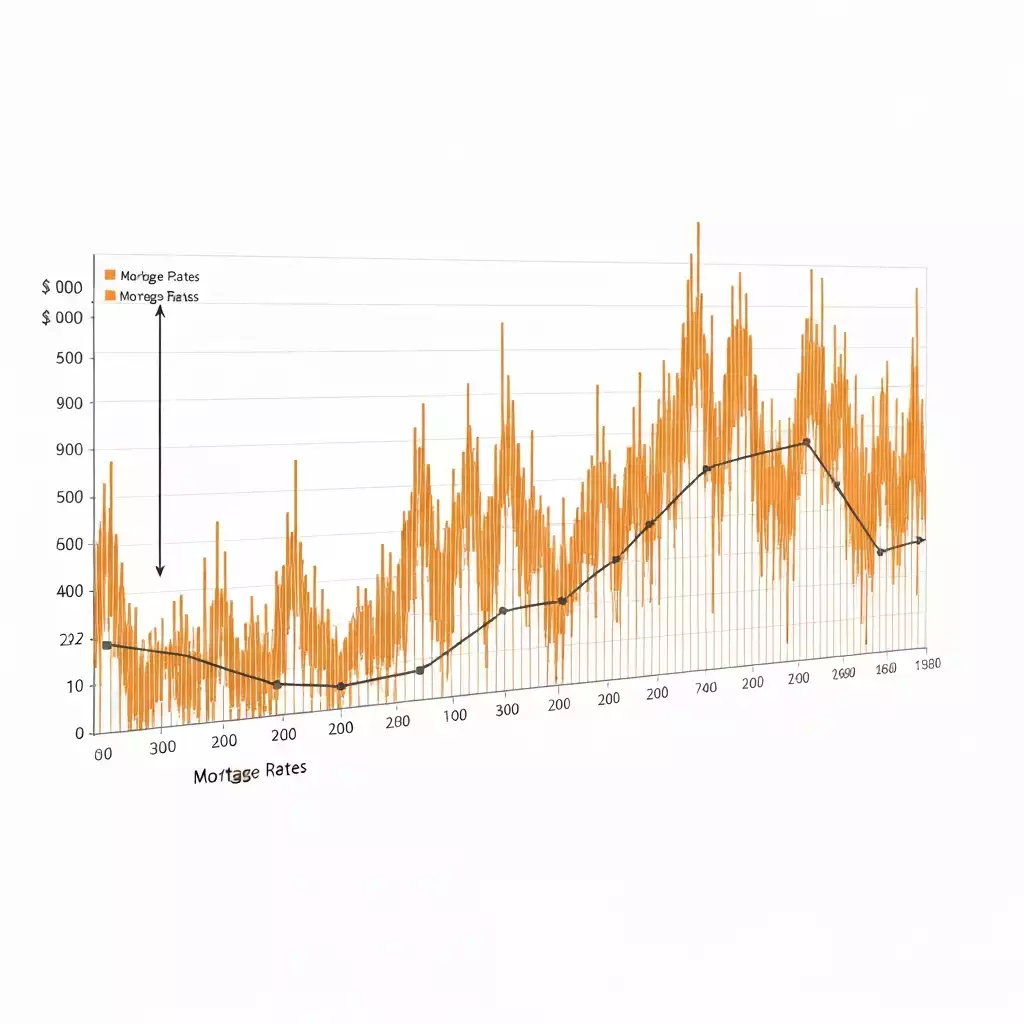
By regularly monitoring these rates, you can position yourself better when making financial decisions. This proactive approach is particularly important as we prepare for what 2026 might hold.
What Influences Mortgage Rates in 2025?
Several economic factors will influence mortgage rates as we approach 2026. Key elements include inflation, Federal Reserve policies, GDP growth, and employment rates. Each of these plays a unique role in shaping the landscape of borrowing costs for potential homeowners.
- Inflation: As inflation rises, so do interest rates, affecting mortgage affordability.
- Federal Reserve Policies: Decisions made by the Fed regarding interest rates can lead to direct changes in mortgage rates.
- GDP Growth: A growing economy often results in higher interest rates as demand for loans increases.
- Employment Rates: Higher employment can lead to increased consumer confidence and spending, influencing the housing market.
Being aware of these indicators will help you navigate the complexities of securing a mortgage in the coming years. Understanding these connections allows you to make informed decisions, whether you’re buying your first home or refinancing your current mortgage. Discover more about managing your finances in our guide to Effective Financial Planning.
The Role of Economic Indicators in Shaping Mortgage Rates
Economic indicators will play a significant role in shaping mortgage rates in 2026. Factors like consumer confidence and unemployment rates are particularly noteworthy. A strong job market typically boosts confidence, encouraging more people to buy homes. This increased demand can drive mortgage rates up.
- Consumer Confidence: Higher confidence can lead to more home purchases, affecting demand and prices.
- Unemployment Rates: Lower unemployment usually correlates with higher spending power and increased mortgage applications.
- Housing Supply: An increase in home supply can help stabilize or reduce mortgage rates.
In summary, keeping an eye on these economic indicators can provide valuable insights into future mortgage trends. As someone immersed in the mortgage industry, I always recommend that my clients stay informed. By doing so, they can better position themselves for success in the housing market.
Pro Tip
To maximize your chances of securing a favorable mortgage rate, consider getting pre-approved before you start house hunting. This not only demonstrates your seriousness to sellers but also gives you a clearer picture of what you can afford based on current rates and your financial situation.
Final Thoughts on the 2026 Mortgage Rate Forecast
As we look ahead to 2026, it’s essential to recap the predicted trends in mortgage rates and the economic factors driving these changes. With rates expected to fluctuate between 5.5% and 7%, understanding the underlying influences such as inflation and Federal Reserve policies will be crucial for both potential buyers and current homeowners.
It’s clear that the economic landscape—marked by factors like GDP growth and employment rates—will play a significant role in shaping mortgage rates. Keeping a close eye on these indicators will help you navigate your financial decisions effectively.
- Monitor economic indicators: Stay informed about inflation and employment trends.
- Understand Federal Reserve actions: Keep track of interest rate changes.
- Be prepared for fluctuations: Rates may vary based on economic conditions.
By being proactive and informed, you can better position yourself in this evolving market.
Taking Action: Next Steps for Potential Homebuyers and Homeowners
If you’re contemplating a home purchase or refinancing, now is the time to assess your financial situation critically. Understanding your options can make a world of difference in securing the best possible mortgage rates. Don’t hesitate to reach out to me at [Your Business Name] for personalized advice that suits your specific needs!
Evaluate your current financial health and consider how the anticipated trends might impact your plans. Whether you’re looking to take the plunge into homeownership or refinancing to save on interest, having a solid strategy will enhance your chances for success. For more insights on securing suitable financing, read about Personal Loan Options that might complement your mortgage strategy.
- Review your credit score: A strong score can lead to better rates.
- Consider your budget: Know what you can afford before entering the market.
- Research mortgage options: Explore fixed and adjustable-rate mortgages that fit your needs.

Taking these steps will help you stay ahead in a competitive market, ensuring that you make informed decisions based on the latest information.
Understanding Closing Costs and Their Impact on Homeownership
When preparing for a mortgage, it’s crucial to factor in closing costs. These are the fees associated with finalizing your mortgage, and they can significantly affect your overall expenses. Typically, closing costs can range from 2% to 5% of the home’s purchase price, and being aware of these costs can help you plan accordingly.
Closing costs may include items such as loan origination fees, title insurance, and appraisal fees. Understanding these charges will empower you to make better decisions about your mortgage options.
- Loan origination fees: Fees charged by the lender for processing your loan.
- Title insurance: Protects against potential issues with property ownership.
- Appraisal fees: Cost of determining the home’s value.
By fully grasping closing costs and planning for them, you can avoid surprises and ensure a smoother path to homeownership!
Frequently Asked Questions About 2025 Mortgage Rates
What are the projected mortgage rates for 2026?
Mortgage rates for 2026 are projected to fluctuate between 5.5% and 7%, influenced by various economic factors.
What economic factors influence mortgage rates?
Key economic factors include inflation, Federal Reserve policies, GDP growth, and employment rates. Consumer confidence and housing supply also play significant roles.
How do Federal Reserve policies affect mortgage rates?
Decisions made by the Federal Reserve regarding interest rates can directly impact mortgage rates, as the Fed’s actions influence the overall cost of borrowing.
What are typical closing costs for a mortgage?
Closing costs typically range from 2% to 5% of the home’s purchase price and can include loan origination fees, title insurance, and appraisal fees.
How can I prepare for fluctuating mortgage rates?
To prepare, it’s advisable to monitor economic indicators, understand Federal Reserve actions, review your credit score, consider your budget, and research various mortgage options (fixed vs. adjustable-rate).
Recap of Key Points
Here is a quick recap of the important points discussed in the article:
- Monitor the current landscape of mortgage interest rates, which are currently fluctuating between 6.5% and 7%.
- Understand the economic factors influencing mortgage rates, including inflation, Federal Reserve policies, GDP growth, and employment rates.
- Stay informed about economic indicators such as consumer confidence and unemployment rates that can impact mortgage demand.
- Be proactive in assessing your financial health and options for home purchasing or refinancing.
- Factor in closing costs, which can range from 2% to 5% of the home’s purchase price, to avoid unexpected expenses.