







As of November 2025, the housing market in both the US and Canada continues to navigate economic uncertainties, including interest rate fluctuations, inventory challenges, and policy impacts like tariffs. Overall, experts predict modest growth with no imminent crash, driven by gradually easing mortgage rates and rising but still limited supply. Affordability remains a key issue, particularly for first-time buyers, while regional variations highlight buyer-friendly shifts in some areas. This guide breaks down trends for the US and Canada, based on forecasts from leading sources like NAR, J.P. Morgan, Forbes, Bankrate, CMHC, and RBC.
The Outlook for the U.S. Housing Market in 2025
US Housing Market Trends
The US market is expected to remain subdued in 2025, with stagnant sales setting the stage for a potential rebound in 2026. High home equity and low foreclosure rates provide stability, but affordability hurdles persist amid policy uncertainties under the current administration.
Home Prices
- National prices are forecasted to rise by about 3%, with slower appreciation (around 2% per some experts) compared to previous years.
- Regional declines possible in high-inventory areas like Florida and Texas, while steady gains continue in the Midwest and Northeast.
- Median prices hit record highs earlier in the year (e.g., $422,800 in May), but growth is moderating.
Inventory and Sales
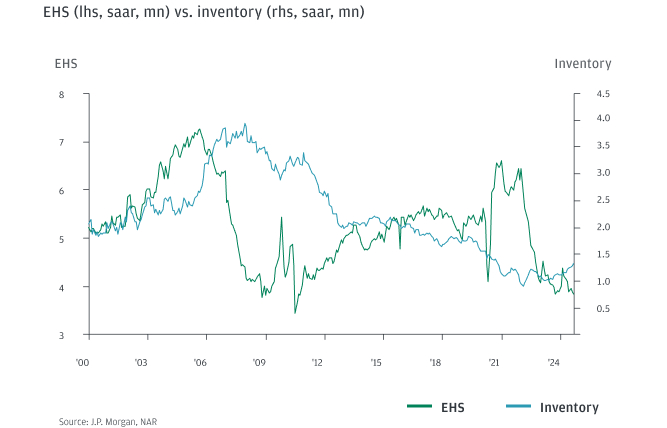
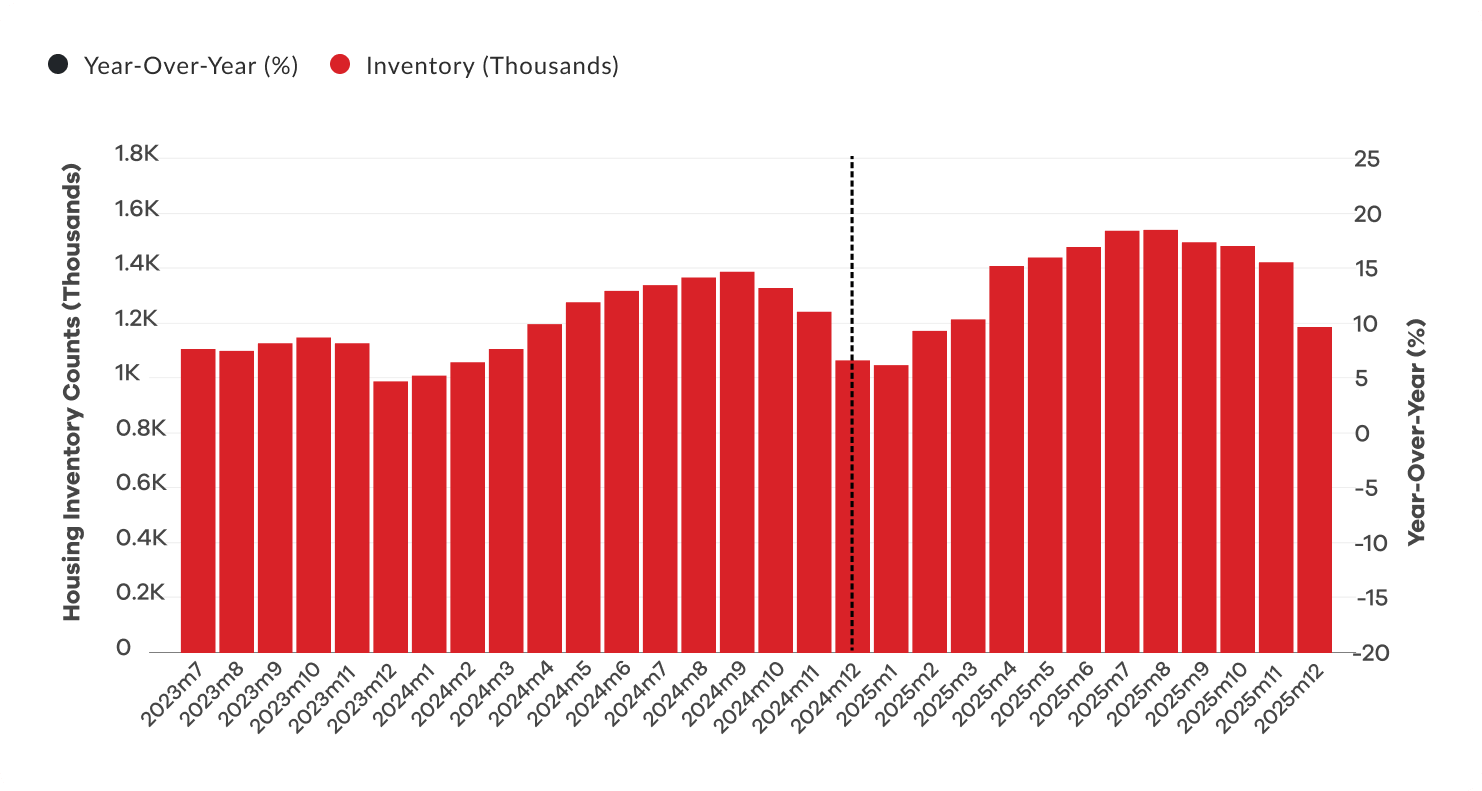
- Inventory is up 33% from 2024 but still below prepandemic levels, creating a buyer’s market in some regions with 36.8% more sellers than buyers in October.
- Sales are stagnant in 2025, with existing-home sales at a 4.06 million annual rate in September, but poised for a 14% increase in 2026.
- New-home inventory is at highs not seen since 2007, reducing pressure from underbuilding.
Realtor.com 2025 Housing Forecast – Realtor.com Economic Research
Mortgage Rates
- Rates are expected to hover in the 6-7% range, with a slight ease to around 6.7% by year-end, influenced by Fed cuts (e.g., to 3.75%-4.00% in October).
- Lower rates have boosted refinances more than purchases, but sharp drops could spike demand and prices.
Buyer Demographics and Affordability
- First-time buyers at a record low of 21%, with median age at 40; repeat buyers (e.g., boomers) dominate with cash or equity.
- Affordability improving slightly (e.g., monthly payments down $106 from last year), but challenges like student debt and high rents persist.
Crash Likelihood and Other Trends
- Low crash risk due to high equity ($35.8 trillion in Q2) and low foreclosures (90% below 2010 peaks).
- Policy impacts: Tariffs and immigration changes could raise costs and limit labor, potentially increasing rates and dampening demand.
- Societal shifts: Falling birth rates, AI integration, and single-person households will influence long-term demand through 2030.
| Trend | 2025 Forecast | Key Driver |
|---|---|---|
| Prices | +3% national | Modest growth amid supply increases |
| Sales | Stagnant (4M+ annual rate) | High rates suppressing demand |
| Inventory | Up 33% YoY, 4.6-month supply | Lock-in effect easing |
| Rates | 6-7% average | Fed cuts, but policy risks |
The Outlook for the U.S. Housing Market in 2025
Canada Housing Market Trends
Canada’s market faces headwinds from tariffs and immigration changes, with modest activity in 2025 before a pickup in 2026. Housing starts slow, but sales and prices are expected to rebound with lower rates.
Home Prices and Sales
- National prices to rise modestly (0.7% per RBC), with early gains but later declines in Ontario and B.C.; average reached $687,898 in some forecasts.
- Sales projected to decline 3.5% to 467,100 units, with recovery in the second half.
- Rebound driven by pent-up demand and mortgage rule changes.
Inventory and Starts
- Housing starts to slow from 2025-2027, mainly in condos, but remain above 10-year averages; rental construction high but may ease.
- Ground-oriented homes (e.g., row houses) may recover slightly.
Rates and Affordability
- Bank of Canada rate holds at 2.75% through 2026; affordability at three-year best but challenges in high-priced markets.


In summary, 2025 offers cautious optimism: easing rates could unlock demand, but inventory shortages and external factors like tariffs may temper growth. Buyers should monitor local markets, while sellers may benefit from pricing competitively. For personalized advice, consult real estate professionals.